You Can’t See Everything That Comes in With the Smoke
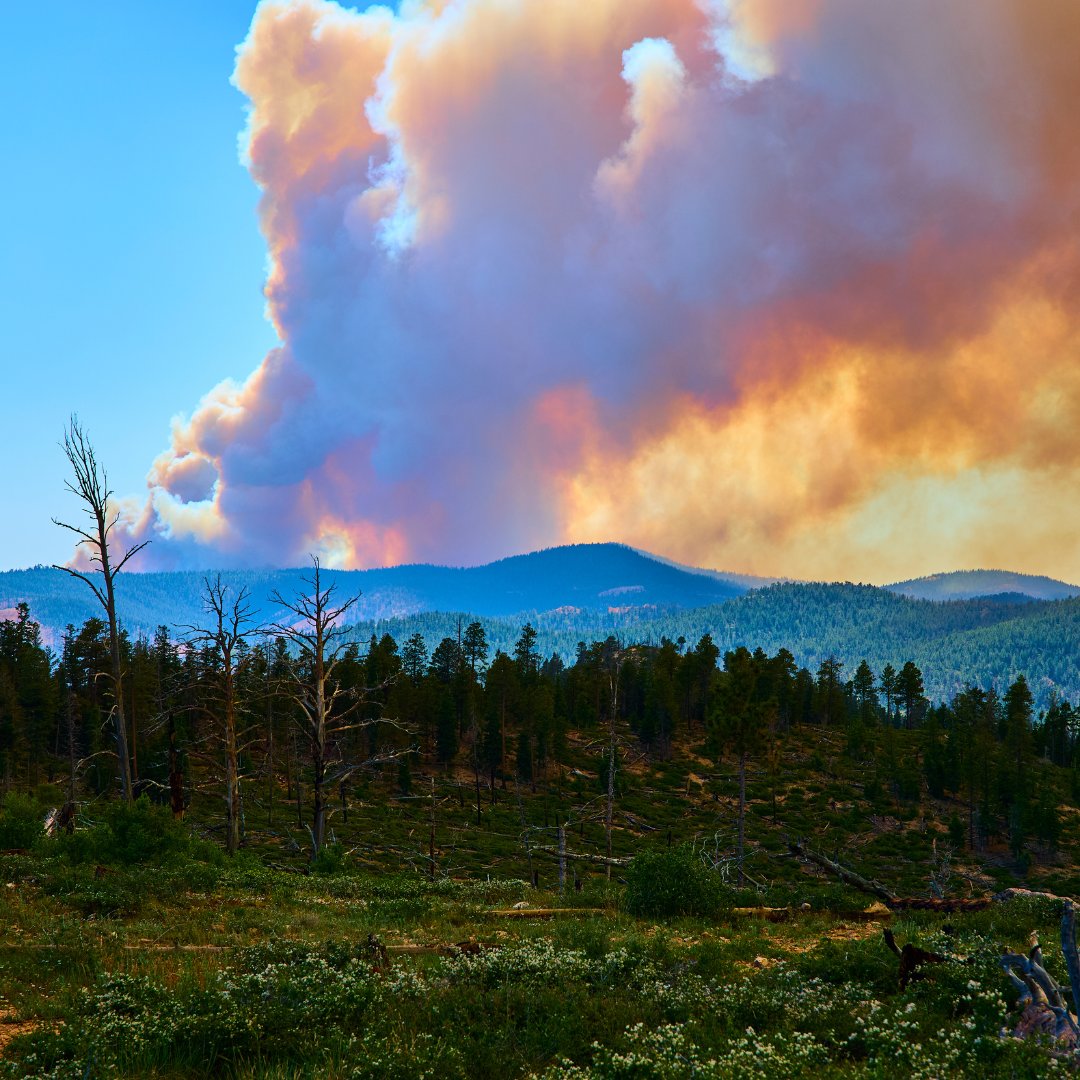
Some mornings you step outside and know immediately. The air smells different. The sky has a gray haze. The mountains have disappeared behind a layer of smoke, or the horizon simply doesn’t look as clear as it did yesterday.
Wildfire smoke has become a familiar part of life across Southeast Wyoming and Northern Colorado. Even when the fire is hundreds of miles away, changing winds can carry smoke into our communities. Many homeowners have the same question: “If it’s smoky outside, what’s happening inside my home?” The answer is reassuring, but it’s also worth understanding.
While no home can completely keep wildfire smoke out, there are practical steps you can take to improve the air your family breathes. Understanding how smoke enters your home, how your HVAC system helps, and where its limitations are can help you make informed decisions during wildfire season.
What is Wildfire Smoke?
Wildfire smoke is more than the smell of burning wood. It’s a mixture of gases and tiny airborne particles created when trees, grass, brush, and even man-made materials burn. Some particles settle quickly, while others are so small they can remain suspended in the air for hours or even days. The smallest particles, often called PM2.5, measure less than 2.5 microns in diameter. These tiny particles are one reason wildfire smoke can travel long distances and find its way indoors.
How Does Smoke Get Inside My Home?
Even well-built homes aren’t airtight. Smoke can find its way indoors through small gaps around doors and windows, attic and crawl space openings, ventilation systems, and every time an exterior door is opened. During extended smoke events, tiny particles gradually work their way inside just as outdoor dust does. How much smoke enters your home depends on several factors, including how heavy the smoke is outside, how long it lasts, how well your home is sealed, the condition of your HVAC system, and the type and condition of your air filter. Every home responds differently because every home, and every family, is different.
Healthy Home Tip: When smoke is heavy outside, keep windows and exterior doors closed as much as possible. Giving your home fewer opportunities to draw smoky air inside allows your HVAC system and air filter to do their job more effectively.
What Does the Air Quality Index (AQI) Mean?
The Air Quality Index (AQI) is a simple way to understand how clean (or polluted) the outdoor air is. A quick check at airnow.gov can help you decide whether today is a good day to enjoy fresh outdoor air or a better day to keep your home closed up. Smoke conditions can change quickly, making the AQI a valuable tool during wildfire season.
Can My Furnace Filter Remove Wildfire Smoke?
Yes… but only to a point.
Your furnace filter is designed to capture airborne particles as air circulates through your HVAC system. Larger particles are generally easier to capture than the smallest smoke particles. How well your filter performs depends on its MERV rating, whether it’s installed correctly, how dirty it already is, and whether your HVAC system is designed to use higher-efficiency filters.
A filter that’s too restrictive can reduce airflow, so it’s important to use a filter that’s appropriate for your equipment. Sometimes the best improvement isn’t a different filter, it’s simply replacing one that’s overdue.
Should I Run My Furnace or Air Conditioner?
In many cases, yes. Allowing your HVAC system to circulate indoor air through a clean filter can help reduce airborne particles inside your home. Follow your equipment manufacturer’s recommendations for operating the system during smoke events.
When Should I Replace My Filter?
Wildfire smoke can load a filter much faster than normal. After several days or weeks of smoky conditions, it’s worth checking your filter sooner than you normally would. Replacing a dirty filter is one of the simplest and most affordable ways to help your HVAC system perform during wildfire season.
If you haven’t replaced your air filter since “wildfire season,” consider this your sign. It’s probably time for a fresh one!
Common Misconception
A common misconception is, “If I can’t smell smoke anymore, the problem is gone.” Which is not always true. Smoke odors often disappear before every tiny airborne particle has been removed. A clean filter, normal housekeeping, and time are often enough to improve indoor air after most smoke events.
Should I Have My Air Ducts Cleaned After Wildfire Smoke?
A few smoky days don’t automatically mean your air ducts need cleaning. However, prolonged exposure to heavy smoke, nearby fires, or visible soot and ash entering the HVAC system may justify a professional inspection.
NADCA recognizes that HVAC systems affected by fire and smoke events should be evaluated and restored using appropriate procedures when necessary. The right approach depends on what the system actually experienced, not simply the presence of smoke in the air. That’s why we believe in inspection before recommendation.
Simple Ways to Improve Indoor Air During Wildfire Season
Most homeowners don’t need expensive equipment or dramatic changes to improve indoor air during a smoke event. Start by checking the AQI before opening windows. During periods of heavy smoke, keep windows and exterior doors closed whenever practical. Make sure your HVAC filter is clean, and replace it if it’s becoming loaded with dust and smoke particles.
It’s also helpful to reduce indoor sources of particles by limiting candles or smoking inside the home. Vacuuming with a HEPA-equipped vacuum and using a portable HEPA air cleaner in rooms where your family spends the most time can provide additional benefits during longer smoke events. Above all, follow recommendations from local public health officials when smoke becomes severe.
The Bottom Line
Wildfire smoke reminds us that the air inside our homes is connected to the world outside. While no home can completely eliminate smoke particles, understanding how your HVAC system, filtration, and home work together allows you to make better decisions for your family.
The good news is that most smoke events don’t require dramatic action. Often, the best response is surprisingly simple: stay informed, use a clean filter, minimize outdoor smoke entering your home, and let your HVAC system do what it was designed to do.
If you’ve experienced an unusually severe smoke event, notice lingering smoke odors long after outdoor conditions improve, or simply aren’t sure how your HVAC system was affected, a professional inspection can help determine whether additional cleaning or maintenance is appropriate.
Whether you choose Mighty Ducts or another qualified professional, our hope is that you feel more confident caring for your home and protecting the people who live in it. Guidance for this article is informed by recommendations from NADCA, IAQA, the EPA, the CDC, and ASHRAE.
Continue Your Healthy Homes Journey
Keep your home healthy with tips and insights from our Health Homes Library and start breathing cleaner, fresher air today.: